
Managing wind and unwanted noise around your spa is key if you want your soaks to feel calm and private. With a few smart “wind blocker” strategies, you can soften gusts, cut down on sound and create a much more relaxing hot tub zone.

How to Stop Wind from Ruining Your Hot Tub Experience:
Strong breezes can cool the water, blow in debris and make it hard to relax. Try these ideas to reduce the impact of wind on your spa area:
1. Add Purpose-Built Windbreaks: Install intentional wind barriers around your hot tub. Tall fencing, dense hedges, decorative panels or a simple pergola with outdoor curtains can all help block gusts while still looking attractive.
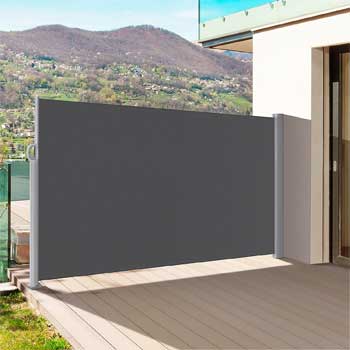
2. Use Privacy Screens: Freestanding or wall-mounted privacy screens can pull double duty. They help shield you from neighboring views and act as lightweight wind barriers. Retractable styles are especially convenient when you want to open things back up on calm days.
3. Choose a Sheltered Location: If you haven’t placed your hot tub yet, take wind direction into account. Tucking the spa on the leeward side of your home, garage or fence (opposite your prevailing winds) can dramatically reduce how much wind hits the water surface.
4. Hang Wind Chimes or Sound Decor: Consider adding wind chimes or other outdoor accents that create pleasant background sounds. While they don’t block wind, they can soften the perception of noise and contribute to a more soothing atmosphere.
Wind Blockers that Can Also Block Noise:
If you’re dealing with both gusty conditions and noise from neighbors, streets or nearby yards, you’ll get the best results by combining wind protection with sound-softening elements:
1. Privacy Landscaping
Thoughtful landscaping can act like a natural wall, calming the wind and helping muffle sound. Strategically placed evergreen shrubs and trees around your spa create a green “cocoon” that improves comfort and privacy. Here’s how to make them work as windbreaks:

- Choosing the Right Plants: Look for hardy evergreens suited to your region. Conifers like spruce or pine and dense shrubs such as arborvitae make excellent living windbreaks.
- Optimal Placement: Plant your “living wall” on the side most exposed to your prevailing winds so the plants intercept the gusts before they hit the water.
- Creating Layers: Combine tall trees, mid-height shrubs and lower plantings. That layered approach slows wind at different heights and creates a more effective buffer.
Landscaping can also dampen noise. Thick foliage disrupts and absorbs sound waves, which helps quiet traffic, voices and other background sounds. To use plants as noise buffers:
- Dense Foliage: Choose species with tight branching and full leaves. Broadleaf evergreens like holly or laurel, and heavily branched conifers like spruce, are especially helpful.
- Planting Density: Space plants closely enough that, once mature, they form a solid hedge rather than sparse individual specimens.
- Height and Positioning: Aim for taller plantings between your spa and the main noise source—such as a road or a neighboring yard—to block and deflect more sound.
2. Outdoor Rugs & Furniture
Soft surfaces around the tub don’t just make the space more inviting—they can also help absorb sound and cut down on harsh echoes. Layering in outdoor rugs, cushions and upholstered seating can subtly quiet the area.

Because these items are made from softer, more porous materials, they help soak up some of the sound energy instead of bouncing it back like hard decking or concrete.
As noise hits these surfaces, part of it is absorbed rather than reflected, which creates a gentler, quieter sound profile around your hot tub.
- Rug Material: Pick outdoor rugs made with thicker weaves or textured surfaces. Options like artificial turf add some acoustic absorption and a softer feel underfoot.
- Cushion Material: Look for generously padded cushions with foam or dense fiber fill and woven covers that help diffuse sound.
- Placement: Lay rugs in the main walking and seating zones around the spa and outfit your chairs or benches with cushions to build up that soft, sound-absorbing “ring” around the tub.
3. Outdoor Enclosures
For maximum protection, consider a more substantial structure, such as a gazebo or fully or partially enclosed spa room. Designs with solid or retractable sides can dramatically cut wind, soften noise and improve privacy in one go.
In most backyards, the best results come from layering a few of these ideas rather than relying on just one. By combining landscaping, soft furnishings, screens and possibly an enclosure, you can tailor your setup to your specific wind patterns and noise sources—and enjoy a much more peaceful, private soak.