
A swim spa really does give you the best of both worlds – you get the soothing soak of a hot tub plus the space to actually swim in place. If you’d like to take that pool-tub combo up a notch, adding a roofed structure over the top can make the area more comfortable, usable, and inviting.
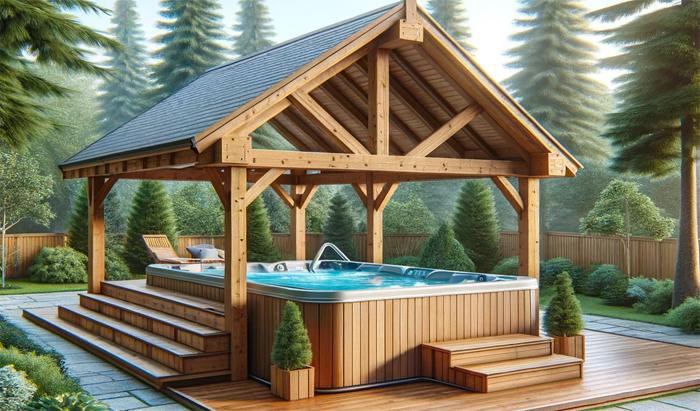
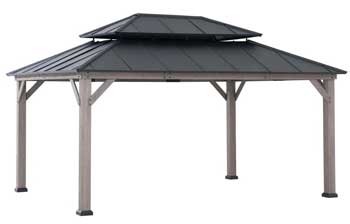
But why bother putting a roof over your swim spa in the first place? How much room does a structure like this actually need? And what about permits, placement, ventilation, lighting, and all the other practical details that come with building something in your yard?
Below, you’ll find straightforward answers plus a simple step-by-step way to decide if a gazebo or shelter over your swim spa makes sense for you.
1. Should You Put a Shelter Over a Swim Spa Hot Tub?
A gazebo or hardtop shelter can do a lot more than just look pretty in your backyard. It creates a designated “zone” for your swim spa and changes how often and how comfortably you use it. Here’s a quick look at the tradeoffs:
| Pros | Cons |
|---|---|
| Shields you and the water from harsh sun, rain, wind, and light snow, making the spa more practical in all seasons | Initial purchase and installation can be relatively expensive |
| Adds privacy so you feel less “on display” while swimming or soaking | Needs enough yard space for both the spa and the structure |
| Creates a polished, resort-style look that can help boost curb appeal and home value | Structure and finishes may need cleaning or periodic upkeep |
| Can double as a hangout area with room for chairs, storage, or decor around the spa | Depending on height and design, it may partially block scenic views |
Note: By adding affordable side panels or outdoor-rated curtains, you can get a semi-enclosed feel and weather protection for a fraction of the price of a fully framed room or a motorized Covana cover that often runs $9,000–$11,500. You stay more open to fresh air while still blocking wind, sun, and nosy neighbors.
2. How Large Does the Gazebo Need to Be?
The ideal size depends on the footprint of your swim spa and how much “walking room” you want around it. As a general rule, plan for a roof that extends at least a couple of feet beyond the shell on all sides. That extra space makes it easier to step in and out, move the cover, and add accessories like benches or storage.
For instance, if you’re working with a longer aquatic spa, a 12′ wide x 20′ long hardtop gazebo can give you room for the unit plus seating or a small lounge area at one or both ends.
| Dimension | Average Size | Minimum Size | Maximum Size |
|---|---|---|---|
| Length | 12–16 feet | 8 feet | 20 feet |
| Width | 6–8 feet | 6 feet | 10 feet |
| Depth | 4–5 feet | 3.5 feet | 6 feet |
3. Can You Enclose a Swim Spa?
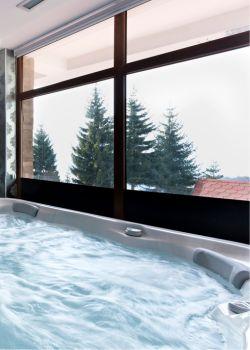
According to Endless Pools, yes—you can absolutely house a swim spa indoors or within a fully enclosed room. Doing so gives you reliable protection from the weather, more privacy, and a cozy “spa room” feel.
But once you put walls around warm water, moisture management becomes critical. Without proper airflow, humidity can build up, leading to condensation, mold growth, peeling paint, and even long-term structural damage.
To combat this, incorporate ventilation into the design. Operable windows, roof vents, or louvers help move moist air out and bring fresh air in. In damp or cold climates, adding a dehumidifier can further control moisture levels and protect both your swim spa and the surrounding structure.
4. Regulations & Permits for Installation
Before you pour concrete or assemble a gazebo kit, take a few minutes to look into local rules. Requirements can differ dramatically from one city or county to another, especially when it comes to structures near property lines or water features.
1. Building Permit: Many municipalities require a building permit for new outbuildings, including gazebos and large pergolas. The permit process confirms that your project meets building codes, structural standards, and any safety rules that apply to pools and spas.
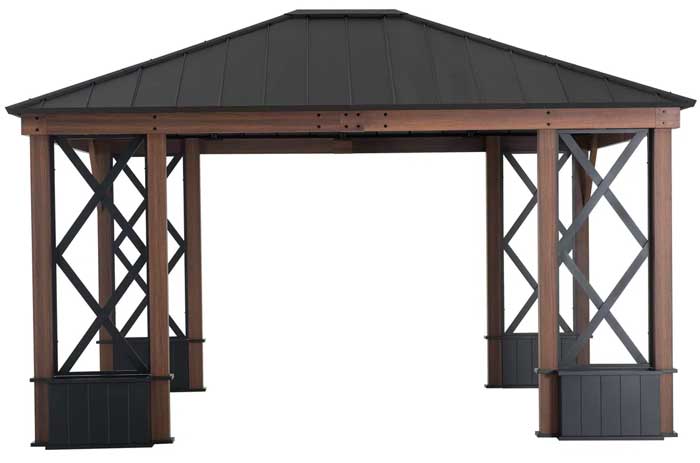
2. Zoning Regulations: Local zoning rules spell out where and how structures can be placed on a lot. They typically address setbacks from property lines, maximum structure height, and sometimes even how close you can build to an existing house, fence, or pool.

3. Site Plan Approval: In some areas, you’ll be asked to submit a simple site drawing that shows your property lines, your home, your swim spa, and the proposed location of the gazebo. This helps the permitting office verify that everything sits within the allowed boundaries.
4. Homeowners Association Approval: If you live in a neighborhood governed by an HOA, you may also need their sign-off. Many associations have their own rules about structure size, color, roof type, and placement, especially for anything visible from the street or neighboring properties.
5. Choosing the Right Backyard Location for Your Spa
Placement can make or break how much you use your swim spa. Ideally, you want a spot that gets a mix of sun and shade throughout the day so the water doesn’t overheat or turn into an algae magnet, but still feels bright and inviting.
Try to avoid positioning the spa directly under large trees to minimize leaves, sap, and debris in the water. Also think about how the structure will look from inside your home—many people prefer a clear line of sight from a main window or patio door for both convenience and visual appeal.
If you’re unsure, your spa manufacturer or installer can usually suggest ideal clearances and layout ideas based on your specific model and backyard shape.
To Sum It Up:
Adding a gazebo or roof over your swim spa can turn a simple backyard unit into a true destination: you gain shelter from the elements, extra privacy, and a more polished look that may even boost resale value. Focus on picking the right size, planning for adequate airflow, and staying on top of local permitting rules before you build. When in doubt, talk with a professional for advice on layout, safety, and structural requirements. With a bit of planning, your new shelter can become a functional, beautiful extension of your home that you’ll enjoy in every season.