
Hoping to turn your hot tub area into a cozy, private hangout that’s comfortable for guests — and maybe even usable in every season? Below you’ll find a clear breakdown of typical gazebo costs, popular building materials, how to track down a trustworthy contractor, and even how the right structure can boost your home’s value.
What’s the Average Cost to Purchase or Build a Hot Tub Gazebo?
The price tag on a hot tub gazebo can swing quite a bit. Size, materials, roof style, and overall design all play a big role, as does where you live. Labor is another major factor—hiring a contractor usually costs more than assembling a prefab kit yourself, but it can save you time and headaches.
Note: As a general guideline, most homeowners spend between $5,358 and $9,058 to build a hot tub gazebo, with the average project landing around $7,587 (for an all-season hot tub enclosure). Highly customized builds using premium finishes can easily climb to $27,000 or more.
Don’t forget to include “hidden” line items in your budget, such as a concrete pad or footings, permits, roofing upgrades, electrical wiring for outlets and lighting, and any new landscaping or pathways around the structure.
What Materials Should You Use to Build a Hot Tub Shelter or Gazebo?
There’s no single “best” material for a hot tub shelter—each option comes with its own look, price range, and maintenance level. Here are some of the most common choices and what to expect from each:
1. Wood: Cedar and redwood are go-to favorites because they naturally resist moisture, insects, and rot. They lend a warm, rustic character that fits beautifully in backyard settings and can be stained or painted to match your home. The tradeoff is upkeep—plan on regular sealing, staining, or painting to keep the wood looking fresh.
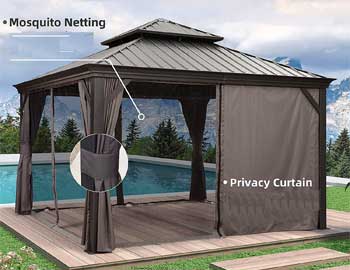
2. Metal: Aluminum or steel frames create a clean, modern profile and are extremely sturdy. They typically require less day-to-day care than wood. Over the years, you may need to maintain or replace roof panels, but the underlying frame is usually built to last.
3. Vinyl: Vinyl gazebos are a great “set it and forget it” option. They’re highly resistant to fading, peeling, and insect damage, and they clean up easily with soap and water. Many styles mimic the look of painted wood without the yearly maintenance.
4. Composite Materials: Composite components combine wood fibers with plastic, giving you the appearance of timber with increased resistance to moisture and warping. You get a rich, wood-like look with far fewer refinishing chores over time.
5. Fabric and Polycarbonate: Some designs rely on fabric roofs or rigid panels instead of traditional shingles. Gazebos with fabric canopies are lightweight and budget-friendly, while polycarbonate roof panels let in filtered light but still shield your spa from rain, leaves, and UV exposure.
Will Hot Tub Shelters Add Value to My Property?
Often, yes. A thoughtfully designed hot tub shelter or gazebo can make your backyard feel like an outdoor living room, which is a strong selling point for many buyers. A covered spa area suggests relaxation, entertaining, and year-round enjoyment—features that can make your home stand out in a competitive market.
That said, how much value it adds depends on several factors: local real estate trends, the overall quality of construction, how well the structure has been maintained, and whether it feels like a natural extension of your home rather than an afterthought.
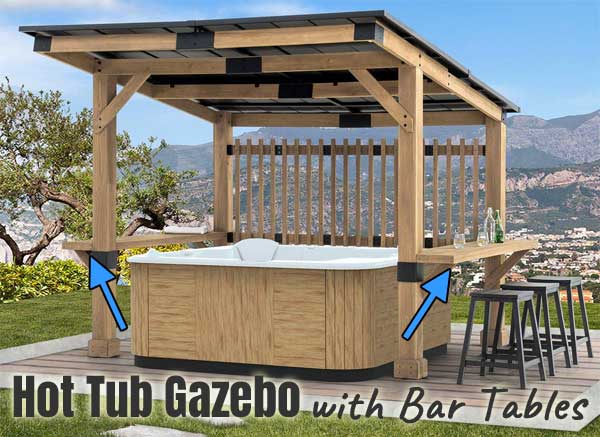
Note: A gazebo that ties into your existing landscaping, mirrors your home’s architecture, and looks “built-in” instead of temporary can dramatically improve curb appeal. In some cases, the added resale value may offset a large portion—or even all—of your original gazebo investment.
Where Can I Find a Reputable Contractor to Build My Hot Tub Shelter?
If you decide not to DIY, the next step is finding someone qualified to handle the build. Use the resources below to track down pros who have experience with gazebos and outdoor structures—and always compare a few bids before signing a contract.
1. Local Business Directories: Check community business directories or the Better Business Bureau to locate builders and carpenters who specifically list gazebo or outdoor structure services.
2. Online Reviews: Sites such as Yelp, Google Maps, and Angi (formerly Angie’s List) let you read customer feedback, see photos, and compare ratings before you reach out.
3. Home Improvement Stores: Many hardware stores and garden centers keep a list of preferred local installers, or they may offer installation services on gazebos purchased through their store.
4. Personal Recommendations: Talk to friends, family, or neighbors who recently added a deck, pergola, or gazebo. First-hand referrals are often the best way to find reliable tradespeople.
5. Online Marketplaces: Platforms like Thumbtack and Houzz make it easy to post project details, review profiles, and request quotes from multiple pros at once.
Note: Before committing, ask for a written estimate, review photos of completed gazebo or shelter projects, confirm that the contractor is licensed and insured, and clarify who is responsible for permits and inspections.
Understanding Gazebo Costs:
1. Factors Influencing the Cost
- Overall size and how complex the design is (simple square vs multi-level or custom shapes)
- Choice of materials (wood vs metal vs vinyl or composite)
- Labor and installation method (DIY kit vs full professional build)
- Extras such as screens, privacy walls, built-in seating, bars, lighting, or heaters
2. Average Cost Breakdown
Most hot tub gazebo projects fall between $5,358 and $9,058, with $7,587 sitting near the middle of the range. High-end, fully customized structures with premium materials, complex roofs, or integrated features can push the total into the $27,000+ range.
Ways to Save on Your Hot Tub Gazebo Purchase
1. Opt for Simplicity and Cost-Effective Materials
Choose a straightforward design and skip overly intricate trim or rooflines. Swapping high-end hardwoods for pressure-treated lumber, vinyl, or aluminum can trim costs while still delivering a good-looking, long-lasting structure.
2. DIY Installation vs Professional Help
If you’re comfortable with tools and have a helper or two, assembling a kit yourself can save a substantial amount on labor. If not, hiring a pro may be worth the extra expense to ensure the gazebo is safe, level, and properly anchored—especially in areas with snow or high winds.
3. Take Advantage of Seasonal Sales and Discounts
Watch for end-of-season clearance sales, holiday promotions, and special offers from spa and outdoor-living retailers. Buying in late fall or winter and scheduling installation later can sometimes net you the best price.
4. Compare Prices from Different Sellers
Prices can vary widely from one retailer or contractor to the next. Request multiple quotes, compare what’s included (materials, delivery, installation, permits), and don’t be afraid to negotiate or ask if a retailer will match a competitor’s price.
Making the Right Choice: Balancing Cost and Quality
When you’re spending this kind of money, it pays to look beyond the cheapest option. Focus on durability, structural safety, and how well the gazebo layout fits your hot tub, yard, and lifestyle. A slightly higher upfront investment can make sense if it reduces maintenance, improves comfort, and holds its value over time.
In Conclusion:
A hot tub gazebo isn’t just another backyard purchase—it’s an upgrade to your everyday life. By understanding the real costs, choosing the right materials, and hiring the right help, you can create a sheltered spa space that feels like a private retreat. Get the balance of price and quality right, and you’ll have an outdoor oasis that delivers relaxation, enjoyment, and potential resale value for many years to come.