
Thinking about adding a dome shelter over your outdoor hot tub? These bubble-style covers can be a smart, budget-friendly way to get extra comfort and protection with surprisingly easy setup—though they do come with a few trade-offs to keep in mind.
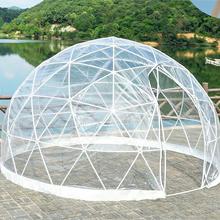
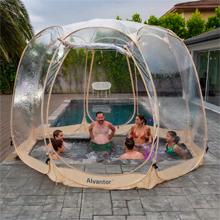
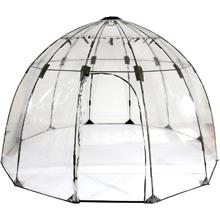
Advantages of Buying a Hot Tub Dome Shelter:
1. Heat Retention: A dome over your spa traps warmth and helps keep the water temperature stable for longer stretches. This is especially helpful on chilly evenings or in colder climates, so you’re not watching the temp drop the minute a breeze picks up.
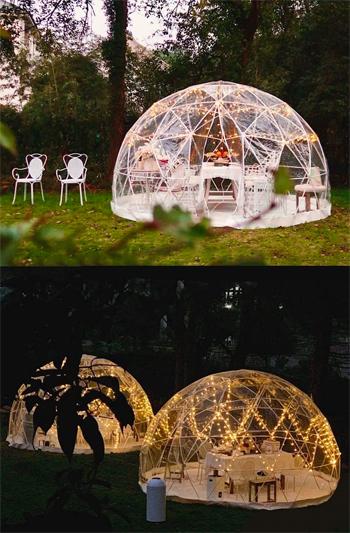
2. Energy Efficiency: Because the dome helps hold heat in, your heater doesn’t have to work as hard to maintain your set temperature. Over time, this can translate into noticeable savings on your energy bills.
3. Privacy: Even though most spa domes use clear PVC or similar plastic, the combination of curved walls and warm steam often blurs direct views. That soft “fogged” effect gives you extra privacy from neighbors and passersby—and if you prefer, you can choose models with tinted or opaque panels for even more seclusion.
Note: Plastic garden domes aren’t really designed as soundproof rooms. They may slightly soften outside noise and muffle voices, but they won’t fully block traffic, music or keep conversations completely contained inside the dome.
4. Weather Protection: Bubble-style covers shield you from rain, light snow and wind, so you can slip into the tub even when the weather is less than ideal. You stay cozy and dry while still feeling “outdoors.”
5. Extended Use: By creating a more controlled microclimate around your spa, domes can easily turn a three-season hot tub into a true year-round retreat. That means many more days and nights of actual use, not just staring at a covered spa in the yard.
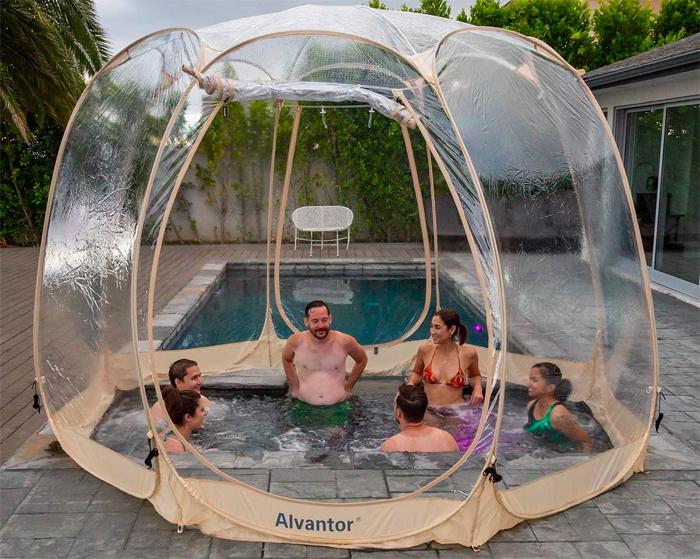
6. Cost Savings: A quality dome or bubble tent can give you many of the same benefits you’d get from a more expensive gazebo or fully framed shelter—without the multi-thousand-dollar price tag. For many owners, it’s a nice middle ground between “no cover” and a full permanent structure.
7. Customization: Some domes include or support extras like interior string lights, clip-on fans, removable ventilation panels or even simple automation features (like pop-up frames). Those little add-ons can make the whole spa setup feel more polished and comfortable.
Drawbacks of Using Bubble Tents & Domes Over Spas:
1. Maintenance: Domes need regular care to stay clear and functional. The plastic panels benefit from gentle cleaning to avoid cloudiness, and zippered doors or pop-up frames may need occasional attention. With pop-up styles, you might also find yourself putting them up and taking them down more often depending on storms, seasons or how frequently you want an open-air soak.
2. Limited Size Options: Not every shape and size of spa will match neatly with a given dome footprint. You’re somewhat limited to what’s available in standard diameters. That said, a 12′ x 12′ pop-up dome usually works well for most 4–6 person hot tubs with a bit of extra room to move around.
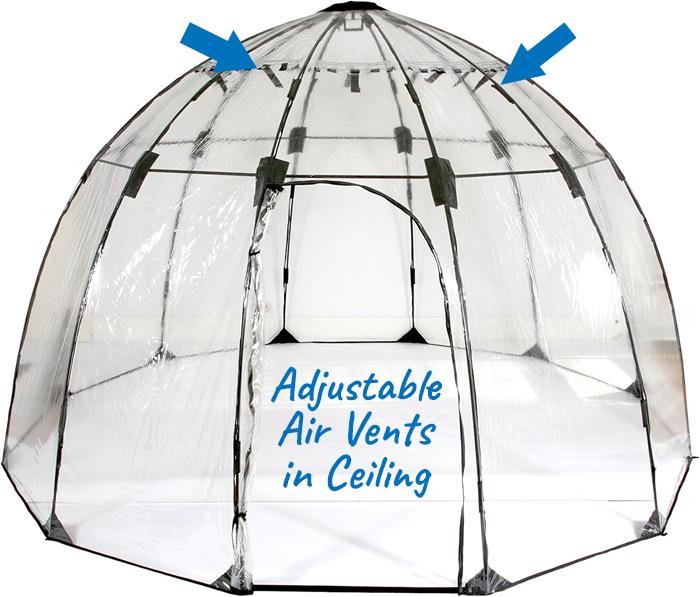
3. Ventilation Concerns: Any enclosed plastic space can trap steam and moisture if it’s not vented properly. Without airflow, you can end up with condensation and, over time, potential mold or mildew issues. Fortunately, most modern domes include adjustable vents or roll-up windows to help keep air circulating.
4. Shorter Lifespan: Compared to four-season hot tub enclosures or solid cedar gazebos, PVC domes and bubble tents simply don’t last as long. UV, snow load and wind gradually wear on the material. You can stretch their life considerably by rinsing them regularly, avoiding harsh cleaners and storing the tent indoors in a cool, dry area whenever you’re not using it for extended periods.
5. Aesthetics: The look is definitely more “plastic pod” than “wood pavilion.” Some people love the futuristic greenhouse vibe; others feel it disrupts their view or looks a bit temporary next to a nicely landscaped yard. If you’re aiming for a high-end, permanent spa pavilion, a dome may not match your vision.
6. Less Sturdy: PVC garden domes and bubble domes are lightweight by design. Even when they’re staked down, strong gusts can flex, shift or lift sections of the structure. They’re best for relatively sheltered backyards, not exposed ridge-top decks or very windy coastal lots.
Because the panels and frames are light, heavy winds can cause the whole dome to sway or “breathe” noticeably. In very gusty climates—coastal zones, open plains or high-altitude areas—this movement can stress zippers and seams or even damage the frame over time.
In those locations, you’re usually better off with a more substantial, wind-rated structure—such as a permanent gazebo, pergola with side panels, or a fully framed enclosure—rather than relying on a bubble dome for four-season protection.
Conclusion:
From long-term use and real-world feedback, dome shelters consistently stand out for their warmth, energy savings and weather protection relative to their cost. They can make a big difference in how often you actually use your hot tub, and they do a nice job of softening wind and adding a sense of privacy.
At the same time, it’s important to factor in their limitations: they’re lighter, more vulnerable to wind and snow and need regular cleaning and occasional repair or replacement. Weighing those pros and cons—alongside your climate, budget and style preferences—will help you decide if a bubble dome is the right fit and a good value for your spa setup.